
Filter Press Manufacturer
A leading manufacturer of advanced solid-liquid separation equipment.
Provide high-quality, efficient, and durable filter presses for wastewater, mining, and chemical industries worldwide.
Provide Filter plate, Filter cloth, professional OEM & ODM services.
WHO ARE WE
Our Products
Filter Press
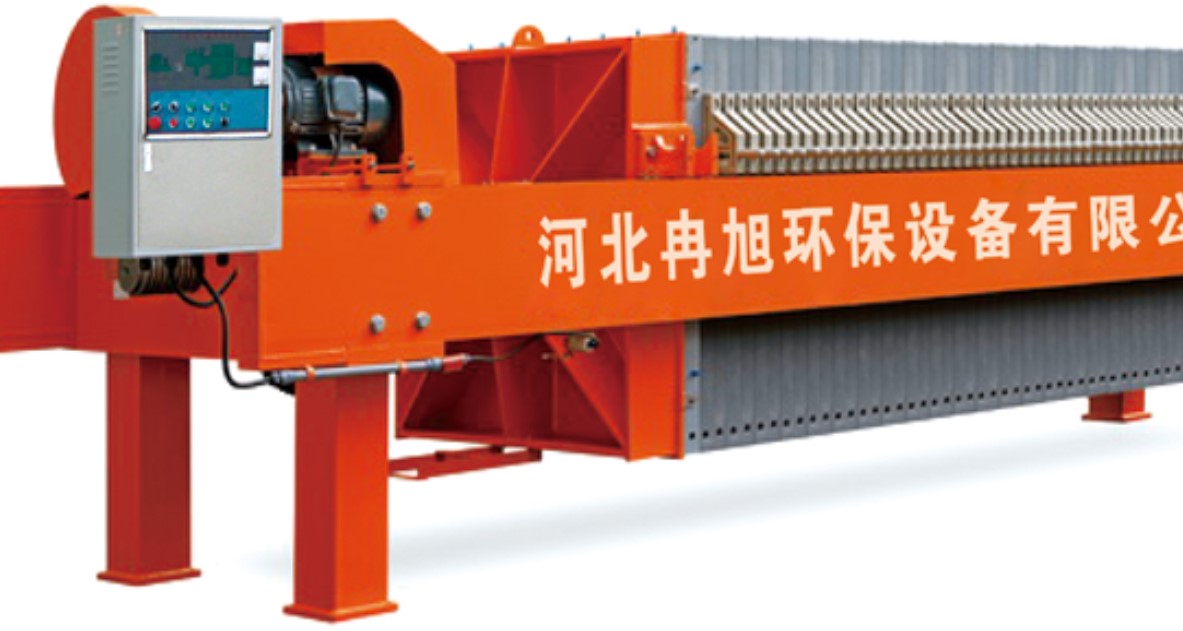
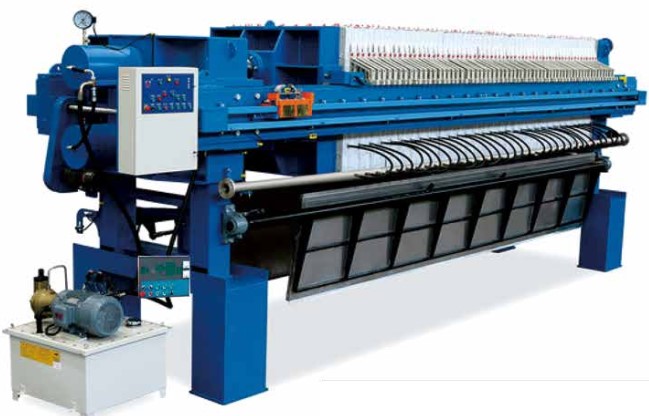
With 30 years of specialization in the R&D, design and manufacturing of filter presses, we have developed advanced solid-liquid separation solutions tailored for fine chemical, mining & metallurgy, environmental protection and other industries.
Filter Cloth
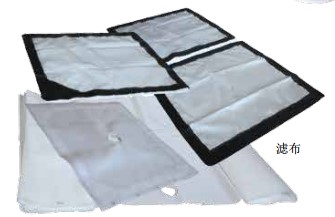
Filter cloth is a key consumable of filter presses for solid-liquid separation.
We supply varied materials including polypropylene, polyester and nylon cloth, customized for different slurry, temperature and corrosion conditions.
Precise weaving delivers stable filtration efficiency, easy cake stripping and long service life, widely used in chemical, mining, food and environmental industries.
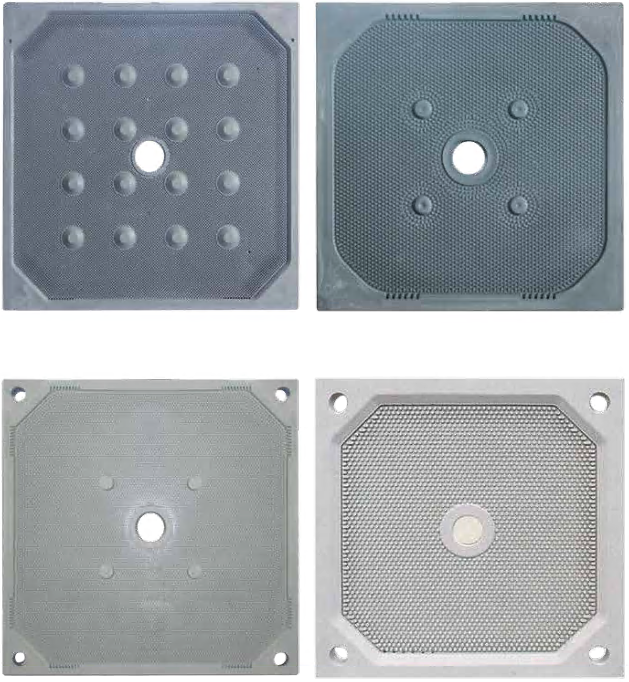
Filter Plate
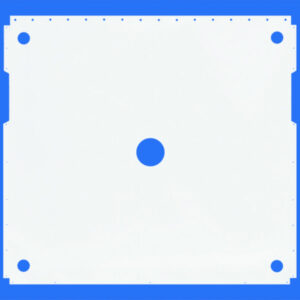
Filter plates are core filter press parts. Their material, design and quality directly affect filtration performance, with custom feed, filter and drain channels for different materials.
Our plates use imported TPE elastomer and high-strength polypropylene, featuring rubber’s elasticity plus PP’s toughness and rigidity for tight sealing. Made to EU standards, our high-pressure diaphragm plates reach an industry-leading 4.0 MPa inflation pressure.
OEM Service
Provide manufacturer as customer requirement
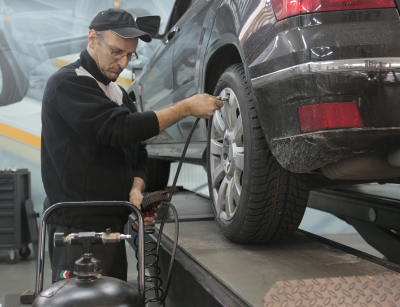
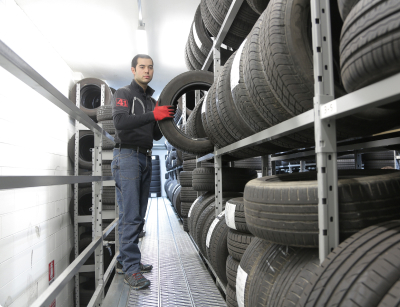
ODM Service
Provide deep customization as client special needs.
Maintenance
Provide whole life-cycle maintenance and training service

Important Tip
Importance and operation methods for filter press shutdown maintenance
Proper shutdown procedures directly impact filter press service life and subsequent operating efficiency, so shutdown work must never be overlooked or neglected. Maintenance is essential right after machine stoppage.
Equipment cannot simply be left idle after filtration. Our factory recommends the following steps after power cut to guarantee trouble-free restart next time.
First, fully drain all residual filtrate inside the unit. Left-over liquid will dry and harden into solids at rest, clogging key components, triggering startup malfunctions or even filter cloth rupture. Flush all remaining filtrate to avoid drying or chemical deterioration inside the machine.
For filter cloth maintenance: keep cloth moist after use. High pressure and filtrate alter cloth structure; dried cloth shrinks severely, damaging particle retention capacity and shortening cloth lifespan.
Also protect the hydraulic station against water ingress post shutdown to prevent hydraulic oil degradation. Complete sealing inspection and maintenance for the hydraulic system upon shutdown.
Important Tip
Evaporation during filter press operation & importance of equipment cleaning
As proven, filter presses deliver outstanding performance for diverse wastewater treatment and can process all types of wastewater efficiently. However, the feed pump bears heavy loads when pumping varied contaminated wastewater. Filter cloth works effectively to intercept impurities and produce clear filtrate.
Water evaporation is unavoidable under high operating temperatures during filtration and reduces actual processing efficiency to some extent. Though evaporated liquid leads to apparent volume loss of treated feedstock, this phenomenon is common and inevitable in practical production.
Tracking ambient weather conditions during operation helps extend equipment service life, yet this factor is often overlooked and requires strict attention in daily production.
Residues and waste build up inside the filter press after repeated operation. Long-term contact with filtrate plus working pressure causes solid particles to stick firmly onto filter cloth. Without timely cleaning, clogged cloth impairs processing efficiency, shortens equipment lifespan and may result in filter burnout. Regular cleaning is therefore critical for sludge filter presses, with straightforward maintenance steps as follows. Prior to cleaning, confirm filter cloth properties to adopt proper washing procedures:
- For alkaline-resistant cloth: soak in weak alkaline solution for 10–24 hours, fully rinse with clean water, air-dry to approximately 90% moisture before reuse.
- For acid-resistant cloth: replace soaking liquid with mild acid solution instead.
Important Tip
Causes of gaps between filter press plates and insufficient clamping pressure
- Oil leakage of piston seals inside the cylinder
External cylinder leakage is invisible, making worn or damaged sealing rings hard to spot. Inspection steps: pressurize the cylinder until it stops advancing and pressure stabilizes, then disconnect the oil return pipe from the cylinder port. Continuous oil outflow from the port with stationary piston indicates defective piston seals needing replacement. This complex repair should be completed under manufacturer guidance for safety. - Malfunction of the electromagnetic directional valve
Remove inlet and outlet pipelines from the cylinder, then toggle the solenoid valve to check leakage. Excessive internal leakage requires seal cleaning or replacement with kerosene cleaning. Minor internal leakage may not drop oil pressure but causes erratic cylinder movement. Long-term impact shortens the valve push rod or wears contact points between armature and push rod, resulting in insufficient spool reversing stroke. - Insufficient hydraulic oil level
The filter press hydraulic system runs under persistent high pressure, inevitably causing minor seal leakage. In addition, hydraulic oil evaporates gradually with long-term operation, lowering tank fluid level. When the level is too low, the oil pump fails to draw No.46 or No.68 hydraulic oil; top up oil promptly in such cases.